Most people's first visit to a working vineyard or cider farm is slightly nervier than it needs to be. There is no dress code, no expectation that you know anything, and the person pouring would far rather answer a basic question than watch you nod politely at a word you didn't catch.
Ring first, even when the website says walk-ins
Harvest runs from late August to October and it swallows everyone. A place that takes walk-ins in June may have four people in a shed picking in September. A call the day before is the single highest-return thing you can do.
Go on a weekday if you possibly can
Saturday is when the tour is full and the person showing you round has said the same sentence eleven times. Tuesday is when you end up in the barrel store for forty minutes because nobody else turned up.
Somebody has to not drink
Almost every place on this map is somewhere you drive to. Tastings are generous and rural roads are not forgiving. Decide who is driving before you set off, not in the car park afterwards. Good venues will happily give the driver a take-home sample instead.
Ask what they are least known for
Every producer has a thing they are proud of that does not sell. A perry nobody orders, a still wine in the shadow of the sparkling, a sour that the regulars ignore. It is the fastest way from a transaction to a conversation.
Wear boots you do not mind
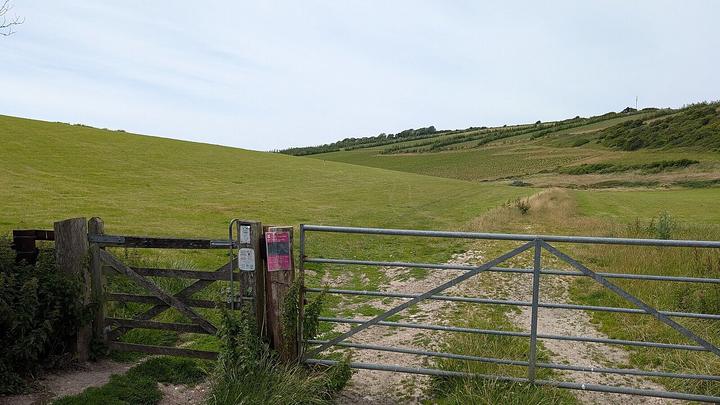
A vineyard tour is a walk on a slope in a field. An orchard in October is mud. Nobody minds what you wear; your shoes might.
Take a cool bag
You will buy more than you meant to, it is often the only place that sells it, and a hot boot on the way home undoes the bit you paid for.
Runs tastings all year and has rooms, which solves the driving problem completely.
A Somerset farmhouse where you will taste six perries and be talked through every one, for very little money.